

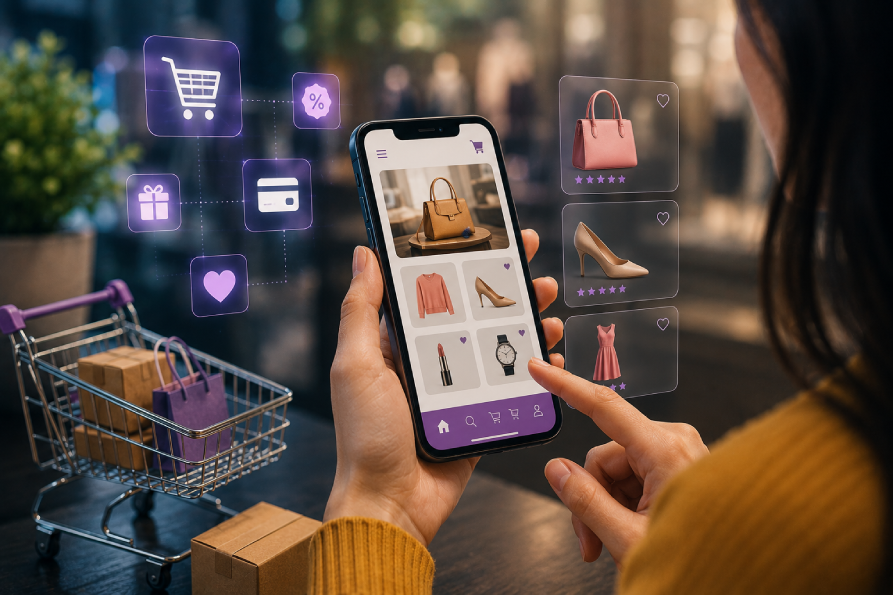
Why Shoppers Are Abandoning Mobile Websites in Favor of Retail Apps
Introduction
The way consumers shop online has changed dramatically over the past decade. Smartphones have become the primary device for browsing products, comparing prices, reading reviews, and completing purchases. While mobile websites once served as the main gateway for online shopping, retail apps are increasingly becoming the preferred choice for both businesses and customers.
Consumers now expect convenience, speed, personalization, and seamless interactions throughout their shopping journey. Retailers that fail to meet these expectations risk losing customers to competitors offering better digital experiences. As a result, many businesses are investing heavily in mobile applications designed specifically for shopping and customer engagement.
The growing popularity of retail apps is not simply a trend. It reflects changing consumer behavior and the desire for more efficient shopping experiences that traditional mobile websites often struggle to provide.
How Mobile Shopping Habits Have Changed
Shopping habits today are significantly different from those of just a few years ago. Consumers no longer view mobile devices as secondary shopping tools. Instead, smartphones are often the first and only device used during the buying process.
Modern shoppers expect instant access to products, personalized recommendations, and quick purchasing options. They browse while commuting, watching television, waiting in line, or relaxing at home. This constant connectivity has increased the demand for frictionless shopping experiences.
Another important shift is the growing influence of mobile notifications and personalized promotions. Consumers are more likely to engage with brands that deliver relevant offers at the right time. Mobile apps provide retailers with opportunities to maintain direct communication with customers in ways that websites cannot easily replicate.
The rise of digital wallets, one-click purchasing, and mobile payment solutions has further accelerated the transition toward app-based shopping. Convenience has become a major factor influencing purchase decisions.
Why Retail Apps Offer a Better Shopping Experience
Retail applications are designed specifically for mobile devices, allowing businesses to create experiences optimized for smartphone users. Unlike mobile websites, apps can leverage device capabilities to improve speed, functionality, and personalization.
One significant advantage is performance. Apps typically load faster because much of the data is stored locally on the device. This reduces waiting times and creates smoother navigation.
Personalization is another area where apps excel. Shopping apps can analyze user preferences, browsing behavior, and purchase history to deliver customized product recommendations. This helps customers discover products more efficiently while increasing sales opportunities for retailers.
Businesses investing in Mobile App Development for E-commerce often focus on creating streamlined user experiences that reduce friction during the buying process. Features such as saved payment information, personalized product suggestions, and simplified navigation contribute to higher customer satisfaction.
Retail apps also provide greater consistency. Customers receive a tailored experience every time they open the application, helping brands build stronger relationships with their audience.
Features That Encourage Customers to Choose Apps
Several app-specific features encourage consumers to download and regularly use retail applications instead of relying on websites.
Push Notifications
Push notifications allow retailers to communicate directly with customers. Personalized alerts about promotions, order updates, and new arrivals help keep users engaged without requiring them to visit a website.
Personalized Product Recommendations
Apps can use customer behavior data to suggest relevant products, making the shopping process more efficient and enjoyable.
Saved Preferences
Users appreciate applications that remember shipping addresses, payment methods, and product preferences. This reduces the effort required to complete future purchases.
Loyalty Programs
Many retailers integrate loyalty rewards directly into their apps. Customers can easily track points, access special offers, and redeem rewards without navigating multiple platforms.
Faster Checkout Processes
Retail apps often simplify checkout by reducing form entries and supporting secure payment options that require only a few taps.
These features collectively create a shopping experience that feels more convenient and personalized than what most mobile websites can offer.
The Limitations of Traditional Mobile Websites
Although mobile websites remain important, they have certain limitations that can affect customer experience.
One common issue is loading speed. Mobile websites often depend heavily on internet connectivity and browser performance. Even small delays can frustrate users and increase abandonment rates.
Browser restrictions can also limit functionality. Features such as push notifications, offline access, and deep personalization are generally more effective within dedicated applications.
Navigation challenges present another concern. Mobile websites must operate across multiple devices, screen sizes, and browsers. This can create inconsistencies that affect usability.
Customer engagement is often weaker on websites because businesses have fewer opportunities to maintain ongoing communication. Once a shopper leaves the site, re-engagement typically depends on email marketing or advertising campaigns.
As consumer expectations continue to evolve, these limitations become more noticeable, encouraging businesses to explore app-based strategies.
How Retail Apps Improve Customer Retention
Acquiring customers is important, but retaining them often provides greater long-term value. Retail applications play a significant role in strengthening customer loyalty and increasing repeat purchases.
One reason apps improve retention is convenience. Customers who have already downloaded an application are more likely to return because the shopping process feels familiar and accessible.
Personalized experiences also contribute to loyalty. When customers receive relevant recommendations and offer, they are more likely to continue engaging with the brand.
Retail apps help businesses establish consistent communication channels. Notifications about discounts, product launches, and abandoned carts encourage users to return and complete purchases.
Many retailers’ implementing Mobile App Development for E-commerce strategies report stronger customer engagement because applications create direct relationships that are not dependent on search engines or third-party platforms.
By making shopping easier and more rewarding, apps help businesses build long-term customer relationships that support sustainable growth.
Industries Seeing the Biggest Shift Toward Mobile Apps
Several industries are experiencing particularly strong adoption of mobile retail applications.
Scalable Infrastructure
Fashion retailers use apps to provide personalized recommendations, exclusive collections, and simplified purchasing experiences
Grocery and Food Delivery
Consumers increasingly rely on mobile apps for grocery ordering, meal delivery, and subscription-based food services due to convenience and speed.
Consumer Electronics
Technology retailers use apps to showcase products, provide detailed specifications, and offer personalized support throughout the buying journey.
Health and Beauty
Beauty brands leverage apps to offer loyalty programs, product recommendations, and virtual shopping experiences that enhance customer engagement.
Home and Lifestyle
Retailers in this sector use mobile applications to help customers browse collections, track orders, and access exclusive promotions.
These industries demonstrate how app-based experiences can create meaningful advantages in highly competitive markets.
Future Trends in Mobile Commerce
The future of mobile commerce will likely be shaped by continued advances in technology and changing customer expectations.
Personalization will become increasingly sophisticated. Retailers will focus on delivering highly relevant experiences based on customer behavior and preferences.
Voice-assisted shopping is expected to gain momentum as consumers become more comfortable using voice commands to search for products and complete purchases.
Augmented reality features will continue to expand, allowing shoppers to visualize products before buying. This technology is particularly valuable in fashion, furniture, and home improvement sectors.
Subscription-based commerce models may also grow as businesses seek to strengthen recurring customer relationships.
Integration with emerging payment technologies will further simplify transactions, helping create even smoother purchasing experiences.
Retailers that adapt to these trends will be better positioned to meet customer expectations and maintain a competitive advantage.
Conclusion
The shift from mobile websites to retail apps reflects a broader change in consumer behavior. Shoppers increasingly expect fast, personalized, and convenient experiences that support their daily routines.
Retail applications provide advantages that mobile websites often struggle to match, including faster performance, stronger personalization, improved engagement, and simplified purchasing processes. These benefits help businesses increase customer satisfaction while strengthening long-term loyalty.
As mobile commerce continues to evolve, retailers that invest in app-based experiences will be better equipped to meet customer expectations, improve retention, and drive sustainable growth in an increasingly competitive digital marketplace.
FAQs
1. Why are shoppers choosing retail apps over mobile websites?
Retail apps generally provide faster performance, personalized experiences, easier navigation, and more convenient purchasing options than traditional mobile websites.
2. How do retail apps improve customer retention?
Apps improve retention through personalized recommendations, loyalty programs, push notifications, and streamlined shopping experiences that encourage repeat purchases.
3. Are mobile websites becoming obsolete?
No. Mobile websites still play an important role in customer acquisition and accessibility, but many businesses use apps to provide enhanced experiences for returning customers.
4.. Which industries benefit most from retail apps?
Fashion, grocery, food delivery, electronics, beauty, and home lifestyle brands are among the industries seeing significant benefits from mobile applications.
5. What future trends will influence mobile commerce?
Key trends include advanced personalization, voice-assisted shopping, augmented reality experiences, subscription commerce, and enhanced mobile payment technologies.